


Introduction
Since the mid-20th century, advancements in nutrition, genetics, management practices, and disease control have dramatically increased poultry yields. Modern broiler chickens grow faster and make better use of feed than their predecessors. However, modern poultry farming faces numerous challenges such as sustainability, animal welfare, food safety, and evolving consumer preferences1. The production of broiler chickens is threatened by disease outbreaks and fluctuations in feed, transportation and chick costs. These factors pose significant threats to financial stability, making it challenging for producers to achieve steady profits.
With demand for poultry meat expected to double by 2050, this growth presents not only significant opportunities but also a number of challenges. To meet the increasing demand, existing processes must be optimized and efficiency improved.
Transforming Agriculture with Technology
Technologies like sensors, cloud computing, machine learning (ML), and artificial intelligence (AI) are revolutionizing various sectors, including agriculture2. Despite some challenges, the integration of AI and modern technologies in poultry farming offers significant advantages, particularly due to the industry’s standardized practices and high levels of integration. Today’s farmers benefit from tools like high-speed internet and affordable computing power, which were unavailable a decade ago3.
Optimizing Poultry Nutrition

Poultry nutrition is of crucial importance, as feed represents the largest variable cost for farmers, accounting for around 65% of production costs. To meet the specific nutritional needs of broilers and layers at every stage of growth, precision feeding systems can adjust feed to the animals’ conditions in real-time, increasing efficiency and reducing waste.
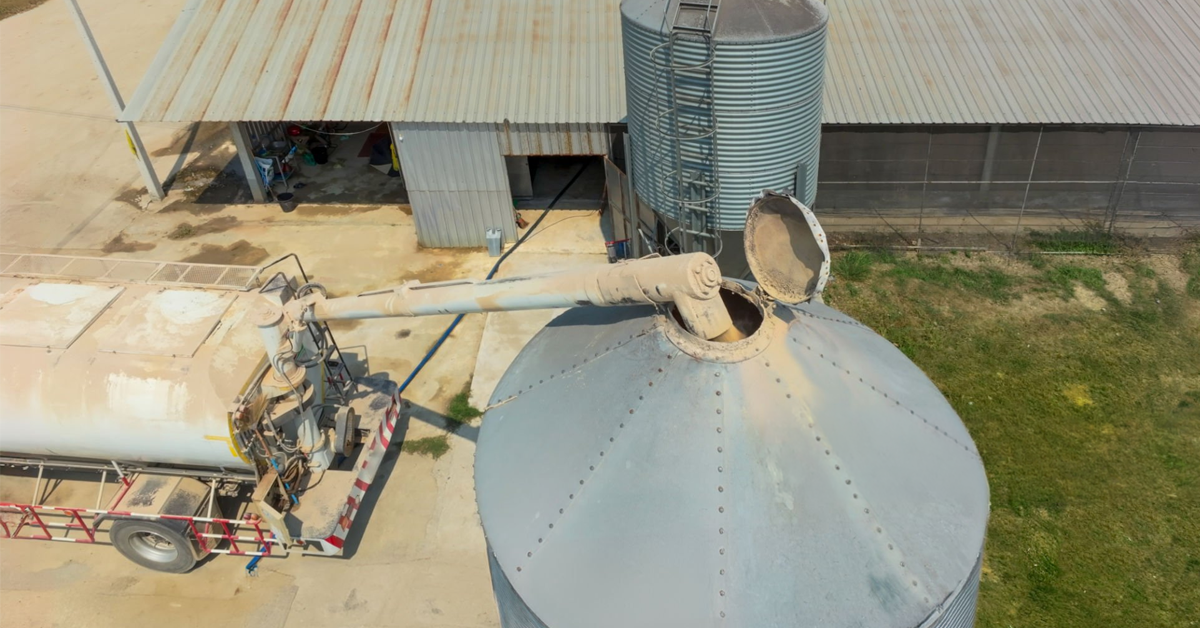
Automated weighing and feed monitoring software can adjust feeding to actual growth and nutritional needs, while computer vision techniques assess the size and health of individual animals to create customized feeding plans4. In addition, bin scales and level sensors enable precise, real-time monitoring of feed levels in the silos to prevent shortages or oversupply and further improve feed management efficiency.
Smart Environment Control
Gathering environmental data offers significant advantages for poultry welfare, mortality rates, and overall performance, assisting producers in achieving their production goals. While various sensors can capture both environmental and animal data, most commercial poultry farms typically track temperature5. However, by also monitoring carbon dioxide (CO2), growers can better maintain an optimal production environment6.

Smart farming technologies offer a solution by automating the management of these variables, ensuring optimal conditions at all times. As sensors and technologies are integrated into poultry operations, the volume of data collected will increase. This evolution necessitates robust infrastructure as long as softwares to gather, analyze, and utilize the information effectively and to empower farmers to proactively monitor vital health indicators instead of merely responding to visible disease symptoms.
Disease Detection
Ensuring the health and biosecurity of poultry is crucial for sustainable farming. Disease outbreaks can cause high mortality, slow growth, and financial losses for producers. Chickens in poultry houses are particularly vulnerable to viruses and bacteria, so strict protocols are essential to prevent and manage illnesses.
By using real-time data and predictive analytics, intelligent systems can analyze animal behavior and provide farmers with timely warnings of potential health problems, predict mortality and estimate weight gain. This proactive approach enhances bird welfare, reduces deaths, and boosts productivity.
Hardware and Software
Sensors play a crucial role in monitoring various aspects of poultry farming, such as temperature, humidity, gas levels, water usage, and bird weight gain7. Different types of sensors work together to provide a comprehensive overview of the farm’s conditions.
The right software is also crucial for collecting and analyzing large volumes of data and providing actionable insights. User interfaces enable growers to monitor sensor readings, receive alerts, identify issues, and adjust systems as needed. Data visualization tools help synthesize key performance indicators from extensive data streams. Algorithms process the data to generate health assessments, growth estimates, and maintenance predictions, supporting real-time decision-making.
By selecting equipment that meets their specific requirements, poultry producers can significantly enhance operational efficiency and optimize production processes. To achieve these outcomes, it’s essential that hardware and software components are interoperable and well-integrated.
Successful Implementation
Integrating intelligent systems into poultry production can significantly boost productivity and animal welfare. The key is to incorporate new technologies within the existing farm infrastructure, which often includes buildings, equipment, and workflows8.
Many poultry farms operate with old yet functional systems for ventilation, feeding, and climate control. Instead of replacing these systems, they can be improved by adding networked sensors to monitor their performance. This approach makes advanced technologies more accessible and cost-effective.
A phased upgrade strategy not only provides evidence for larger investments but also helps workers adapt gradually, easing the learning curve. Introducing new technologies changes the roles of poultry workers who are used to manual tasks. Proper training and change management are essential to help staff acquire new skills and confidently use these technologies.
Conclusion
Even though traditional methods have brought the industry a long way forward, some challenges remain. The increasing global demand for poultry meat requires a shift to smarter, more efficient farming methods. Technologies such as sensors, AI and big data analytics promise to revolutionize poultry farming by optimizing feeding, environmental control and health monitoring. While the adoption of smart technologies involves significant initial investment, their decreasing cost makes them increasingly accessible and lowers the financial barrier to entry9. As these innovations continue to progress, they will not only increase productivity, but also improve sustainability and become an integral part of the future of poultry farming.
Stay Informed!







Leave a Reply