


In the era of precision agriculture, connected sensors are transforming the management of poultry houses. By continuously measuring feed consumption, bird weight, and environmental conditions, they enable faster, data-driven, and more profitable decisions.
Sensors Driving Performance
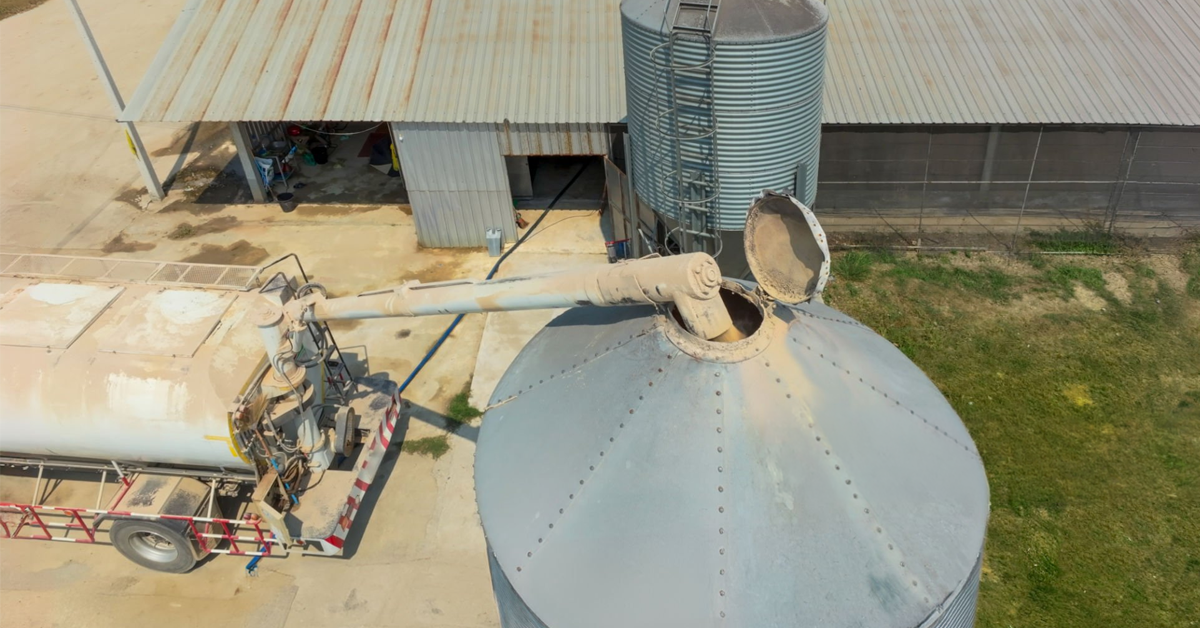
Feed accounts for about 65% of a broiler’s production cost. Reducing waste and fine-tuning feed distribution are therefore essential. Intelia’s bin scales measure feed consumption per flock in real time, providing the accuracy needed to prevent overfeeding and detect abnormal drops in intake.
Bird scales are equally critical, achieving up to 97% accuracy in measuring average weight and coefficient of variation throughout the production cycle. They record daily weight gains and flock uniformity while predicting growth trends up to 14 days ahead. These insights help adjust feeding and lighting programs before performance is affected.
Environmental Monitoring: A Lever for Health and Productivity
Performance depends on more than feed alone. Intelia’s environmental sensors continuously track temperature, humidity, and differential pressure to maintain optimal living conditions. Additional probes measure ammonia (NH₃) and carbon dioxide (CO₂) levels — two gases that directly impact bird welfare and growth.
In one real-world case, installing ammonia sensors helped identify dangerous nighttime peaks and adjust ventilation settings, improving flock livability and increasing revenue per house.
Operational Benefits and Animal Welfare
Automated data collection runs 24/7, reducing manual handling and bird stress.
Key benefits include:
- Uniformity and consistency: Continuous weight monitoring simplifies flock comparisons between houses and quickly identifies growth deviations.
- Reduced losses and time savings: High measurement accuracy and automatic alerts help minimize feed waste and manual weighing tasks.
- Unified visibility: All sensors connect to Intelia’s platform, providing an integrated view of flock performance and feed consumption.
Trends and Outlook
By 2025, over 75 million connected devices are expected to be deployed in agriculture*. This rapid growth is fueling the rise of smart farms, where real-time data and predictive analytics drive better outcomes. The next frontier includes more accurate sensors, edge computing, and algorithms capable of anticipating animal needs.
Investing in automated monitoring of feed and bird weight gives producers powerful tools to boost profitability, reduce their environmental footprint, and promote animal welfare.
*Source: Farmonaut.com





Leave a Reply