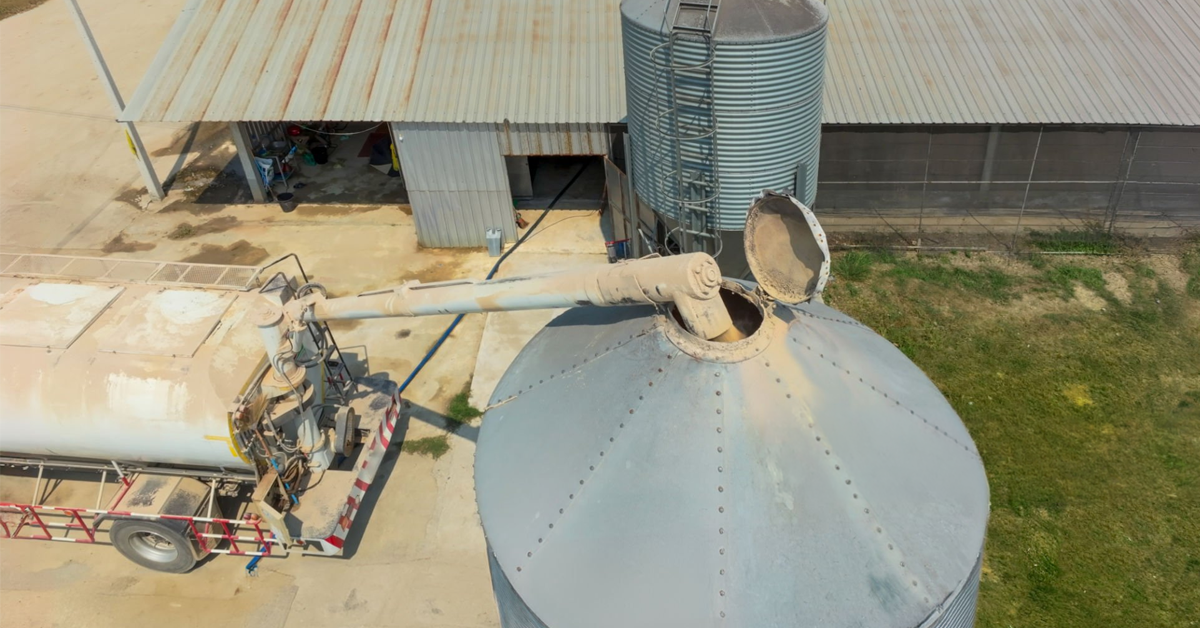
Using Collaborative Data Ecosystems for Sustainable Poultry Farming
In the ever-evolving landscape of poultry farming, data ecosystems have proven to be a powerful catalyst for fostering collaboration and knowledge sharing among industry stakeholders. This article explores the concept of collaborative data ecosystems and their significant impact on the poultry industry. By fostering collaboration and leveraging data-driven insights, these ecosystems pave the way for an efficient, profitable and sustainable poultry sector that benefits all stakeholders, from producers to consumers and the environment.
Harnessing collective intelligence
By utilizing a collaborative data ecosystem, poultry producers can take advantage of a wide range of benefits that drive the success and growth of their business. Moreover, opting for a collaborative data ecosystem ensures access to the most effective solutions tailored to specific needs while allowing for the retention of existing services, minimizing disruption and data loss. The inherent flexibility of these ecosystems allows producers to adapt and evolve their systems as their companies develop; therefore, ensuring long-term scalability and operational efficiency.
Within a collaborative data ecosystem, poultry producers can overcome a major digitization challenge and leverage the wealth of existing data that is often spread across independent systems. For instance, the industry already has access to a wealth of data, but the key lies in bringing it together and adding value to it. Smart sensors and other digital solutions often contribute to the problem of compartmentalization, with few providers prioritizing data aggregation and value creation.

By integrating multiple data sources into a collaborative ecosystem, producers can make informed decisions about everything from feed management, flock health, to environmental conditions.
This, in turn, enhances operational efficiency and productivity throughout poultry production. By leveraging shared insights and driving innovation, producers can meet industry trends to achieve continuous improvement and maintain competitiveness. These data ecosystems not only promote operational excellence but also sustainability and environmental protection through the adoption of sustainable practices. By sharing and analyzing environmental data, stakeholders in collaborative data ecosystems work together to reduce the industry’s environmental footprint across the entire value chain.
Bridging The Gap Between The Ideal World and Reality
The introduction of ecosystems for data collaboration poses a number of challenges. When sharing data within these ecosystems, data security and privacy are of paramount importance. Robust security measures, data governance protocols and trusted frameworks are essential to protect sensitive information and maintain data integrity.
Data standardization and integration pose additional challenges in collaborative data ecosystems. Harmonizing data formats, adopting common data standards and ensuring interoperability between disparate sources requires careful planning and coordination between stakeholders. It is critical to overcome these challenges to enable seamless data integration and effective collaboration across the poultry industry. However, few producers will have the knowledge and experience to make this happen. Therefore, choosing the right technology partners will have an impact on whether they can maximize their access to these ecosystems.
INTERESTED IN LEARNING MORE ABOUT DIGITAL FARMING TOOLS?
Immerse yourself in our ultimate free guide to digital poultry farming, where we explore both industry challenges and solutions.
[auto-iframe link=https://forms.zohopublic.com/inteliatechnologies/form/OBTENEZVOTREGUIDEGRATUIT/formperma/X5_FXzkDroZwg5WmEbH-EaLE8nK2Ez-77_lCSrQatIc autosize=yes height=”325px”]

Collaboration and engagement of stakeholders within organizations and with selected partners is fundamental to the success of collaborative data ecosystems.

Digital leadership is essential for encouraging active participation, fostering a culture of data sharing, and removing barriers to collaboration are key factors for meaningful collaboration among poultry industry stakeholders. By encouraging open communication and collaboration, and asking technology suppliers to do the same, the full potential of collaborative data ecosystems can be realized to drive innovation, efficiency and sustainable growth. Confidentiality and data security measures play a critical role in ensuring the trust and protection of sensitive information shared within these collaborative ecosystems.
Navigating the Path to Success
In an ideal world, companies would always have access to the perfect technology solution for their data capture needs. In reality, many companies face the challenge of fully utilizing their collected data due to a lack of versatile and interoperable solutions. Often, companies do not have the knowledge or experience to drive the interconnectivity of their data systems, so it’s important to rely on a solution provider to facilitate this process for them.
At Intelia, we understand the importance of bridging this gap and are committed to providing our customers with a comprehensive value proposition that transcends the boundaries of solution providers. This is how we ensure that our customers can get the most out of their data. By fostering collaboration and leveraging shared insights, we are shaping a better future for the poultry industry that benefits everyone involved.